Growth & Acquisitions
,
June 12, 2026
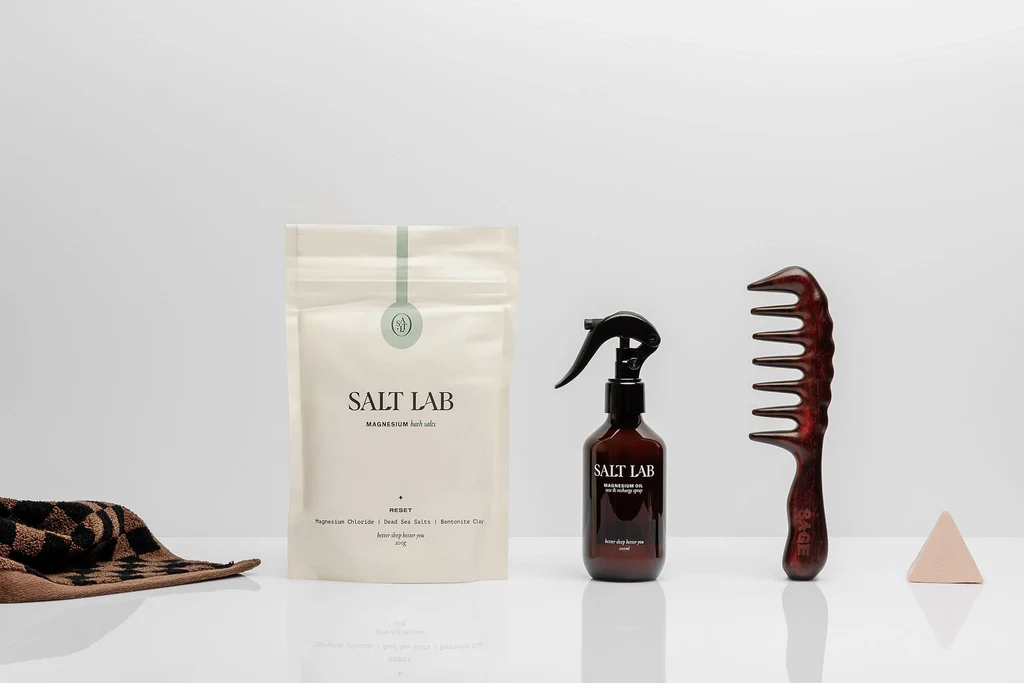
Salt Lab lost $1.3M in stock. Two years later, it sold for $13.5M.
Salt Lab: from a $1.3M warehouse fire to a $13.5M exit, and the lean team structure that made the comeback possible.
Claire Buick
Founder & Growth Director
One night in January, Clementine Boshevski got the call every product founder dreads. The Melbourne warehouse holding Salt Lab's stock had gone up in flames, in an alleged arson attack.
They'd just taken delivery of their biggest shipment ever. Around $1.3 million worth of product, gone overnight.
Then the second hit: insurance wouldn't cover it. An electrical fault would have been covered. Arson wasn't.
Hundreds of orders unfulfilled. No stock. A real question about whether to shut the doors.
She didn't. She went straight to her community with a "Build Us Back" pre-order campaign, and thousands of customers put their money down for product that didn't exist yet.
Seven months later, Salt Lab was having its biggest year on record. In February this year, Homart Group acquired it for a reported $13.5 million ahead of its ASX listing.
Everyone will take "resilience" from this story, which is INCREDIBLE. But what I also keep coming back to is the structure involed to turn the brand around, with speed!
From what I can see on LinkedIn, Salt Lab was run by the founders (Clementine and her husband Adam, largely from a van travelling around Australia with their three kids), plus a small set of outside partners. No bloated head office. No big in-house team.
That lines up with what I see across every brand I work with. The most successful, PROFITABLE ones are almost always:
→ The founder or founders
→ A growth partner running paid and creative strategy
→ An organic social / creator freelancer
→ A 3PL
That's it.
Anything beyond that starts eating into margin, and margin is what funds growth. Every extra salary is a month of ad spend that could be acquiring new customers. Keep operational costs and team salaries down, because there isn't much room anymore for financial error, overbaked teams or expensive commercial leases.
A lean business can take a $1.3M hit and still get back up. A heavy one, with too many touchpoints, too many meetings and every project overinflated, usually can't.
Build the community. Keep the team tight. Scale profitably.
Coming up in this series
- Are you ready to move into retail? The real cost of contract manufacturing, the categories that thrive on shelf vs the ones that die there, when to leverage retail partnerships or is DTC the smarter long game?
- Selfish Supps and the Hembrows. Is Tammy and her sisters' partnership with Conditor Beauty Group working? And why isn't Selfish Supps performing like TYPEBEA and VITAGLOW under the same parent? We go behind the curtain.
- Retail distribution or DTC? The framework I use with every brand I advise to figure out the best split.
Subscribe to the Substack if you don’t want to miss my late-night typing.